It was 5:00 PM on a Tuesday, and I was staring into the abyss of my refrigerator. You know the look. The light flickers, there’s a lonely lemon, half a bag of spinach that’s seen better days, and a package of ground beef that’s been waiting for its moment. My stomach growled. My patience evaporated. In my head, the “real” version of this meal was supposed to take hours — kneading dough, making a filling by hand, sealing each pocket with the precision of a surgeon. That was the version I made on weekends when I had time and energy.
But I didn’t have time. And I didn’t have energy. I had twenty minutes before my partner walked through the door, and I needed something warm, comforting, and frankly, delicious.
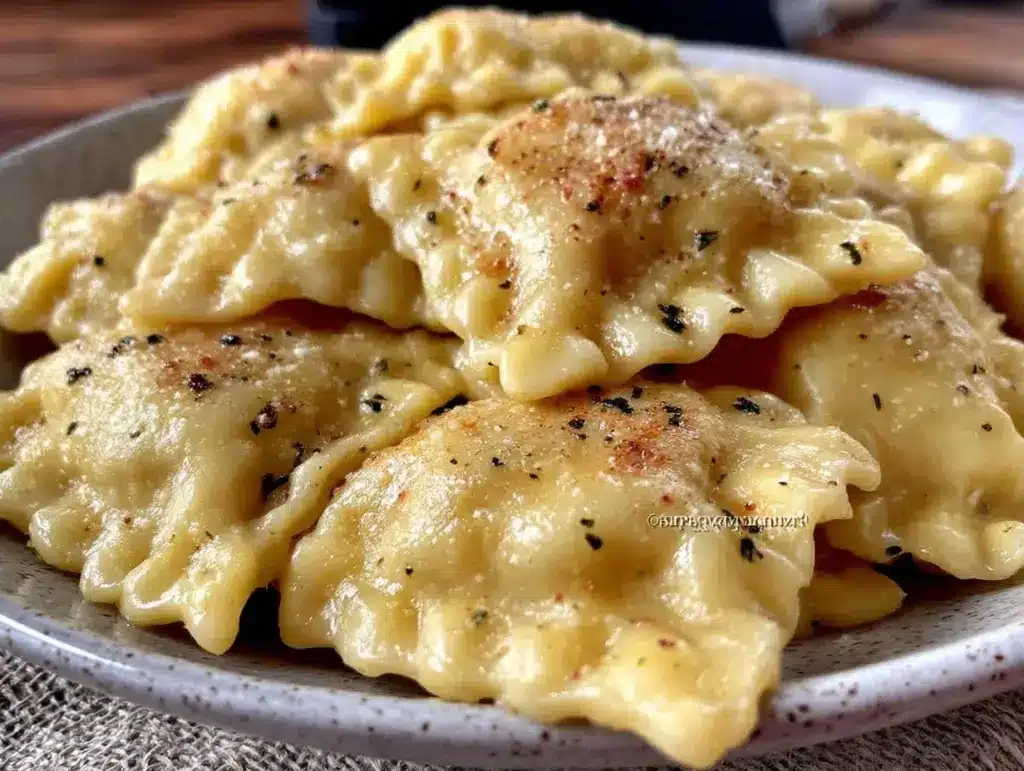
So, I hacked it. I ditched the from-scratch dough (which is honestly a pain when you’re exhausted) and went for the high-quality store-bought sheets. I chopped the herbs aggressively fast. I seasoned the meat with everything I had in the spice rack. And within 20 minutes, I had a steaming bowl of Schwäbische Maultaschen that tasted like it had been simmering on the stove all afternoon.
Here’s the thing: people think Maultaschen are complicated. They think you need to be a traditional German grandmother to make them. But let me let you in on a secret. The “Quick Weeknight Comfort” version of this dish isn’t a cheat — it’s a smart survival tactic. I’ve tested this method so many times during busy work weeks that I now make the traditional way only on special occasions. For Tuesday nights? This is it. It’s fluffy, it’s savory, it’s golden-brown, and it saves your evening.
If you’ve ever felt guilty about taking shortcuts, stop. This Schwäbische Maultaschen recipe is your new best friend. It’s the answer to “what’s for dinner” when the clock strikes five and you’re running on fumes.
Why You’ll Love This Quick Weeknight Version
Let’s get real for a second. Why are we making this instead of ordering takeout? It’s not just about saving a few bucks (though that’s nice). It’s about the control and the speed.
Zero Dough Stress — I use pre-made spinach lasagna sheets or fresh pasta sheets. No kneading, no resting, no waiting. You save at least 45 minutes of prep time right there. I keep a pack in the fridge at all times for nights like this.
One-Pan Wonder — You brown the meat, you sauté the onions, you simmer the sauce. It all happens in one deep skillet. When you’re done, you have one pan to wash. That’s it. No colander for the pasta, no separate bowl for the filling, no extra pots. My partner hates doing dishes, and this recipe is the peace treaty in our marriage.
Flavor That Feels Slow-Cooked — Even though it only takes 20 minutes, the secret is in the broth and the sear. By browning the meat well and deglazing with a little water or broth, you get that deep, savory richness that usually comes from hours of simmering. It tastes hearty, like a hug in a bowl.
This is my answer to “what’s for dinner” when I’m tired and don’t want takeout. It feels like a treat, but it’s actually just smart, quick cooking.
Ingredients for Your Schwäbische Maultaschen
Here’s the best part: you probably have most of this already in your kitchen. We’re keeping it simple, pantry-friendly, and totally flexible.
Ground Beef (400g / 14 oz) — The classic choice. It’s rich and holds up well in the sauce. If you want to lighten it up, you can swap this for ground turkey or even a plant-based ground meat substitute. I’ve tried both, and they work, but the beef just has that specific “comfort food” soul. Make sure it’s not too lean, or it’ll dry out.
Spinach (150g / 5 oz, fresh or frozen) — This is the heart of the filling. Fresh spinach wilts down to nothing in seconds. Frozen spinach needs to be thawed and squeezed very dry (seriously, squeeze it like your life depends on it, or your Maultaschen will be soggy). I usually keep a bag of frozen chopped spinach in the freezer for exactly this purpose.
Onion (1 medium) — Finely diced. You want it to melt into the meat, not stay crunchy. Yellow onions are your best bet for sweetness and depth.
Pasta Sheets (1 pack, approx. 250g) — I use fresh lasagna sheets or wide egg noodles. Look for sheets that are pliable but sturdy. Dried lasagna sheets work too, but you’ll need to boil them separately first, which adds to the cleanup. For the 5pm dinner goal, fresh sheets are non-negotiable.
Beef Broth (500ml / 2 cups) — Use a good quality carton. If you don’t have beef broth, chicken broth works fine, or even just water with a bouillon cube. The liquid is what cooks the pasta and creates the sauce.
Herbs & Spices — Salt, black pepper, and a generous pinch of nutmeg. Nutmeg is the secret weapon in German meat dishes. It adds warmth. If you have fresh parsley, chop it up. Fresh thyme is great too, but dried works in a pinch. I also add a pinch of paprika for color.
Butter or Oil (2 tbsp) — For frying. Butter gives that nutty flavor, oil gives a higher smoke point. I use a mix of both. It’s a personal preference, but the butter is worth the extra cleanup.
Storage Note: You can prep the meat mixture ahead of time. Mix the beef, spinach, and spices in a bowl and keep it in the fridge for up to 24 hours. When you’re ready to cook, just grab the pan. This is a game-changer for meal prepping.
Equipment You Actually Need
You don’t need fancy equipment. Here’s what I actually use.
Large Skillet — I use a 12-inch non-stick skillet with a lid. The lid is crucial because it traps steam and helps cook the pasta sheets through without them getting mushy. If you don’t have a lid, a baking sheet works, but it’s less efficient.
Sharp Knife & Cutting Board — For dicing the onion and chopping herbs. Keep it sharp; it makes the chopping faster and safer.
Wooden Spoon or Spatula — For stirring the meat and folding the pasta. Metal spoons can scratch non-stick pans, so stick to wood or silicone.
Colander (Optional) — Only if you use frozen spinach. If you use fresh, you just chop it. Skip the colander to save time.
Step-by-Step Instructions
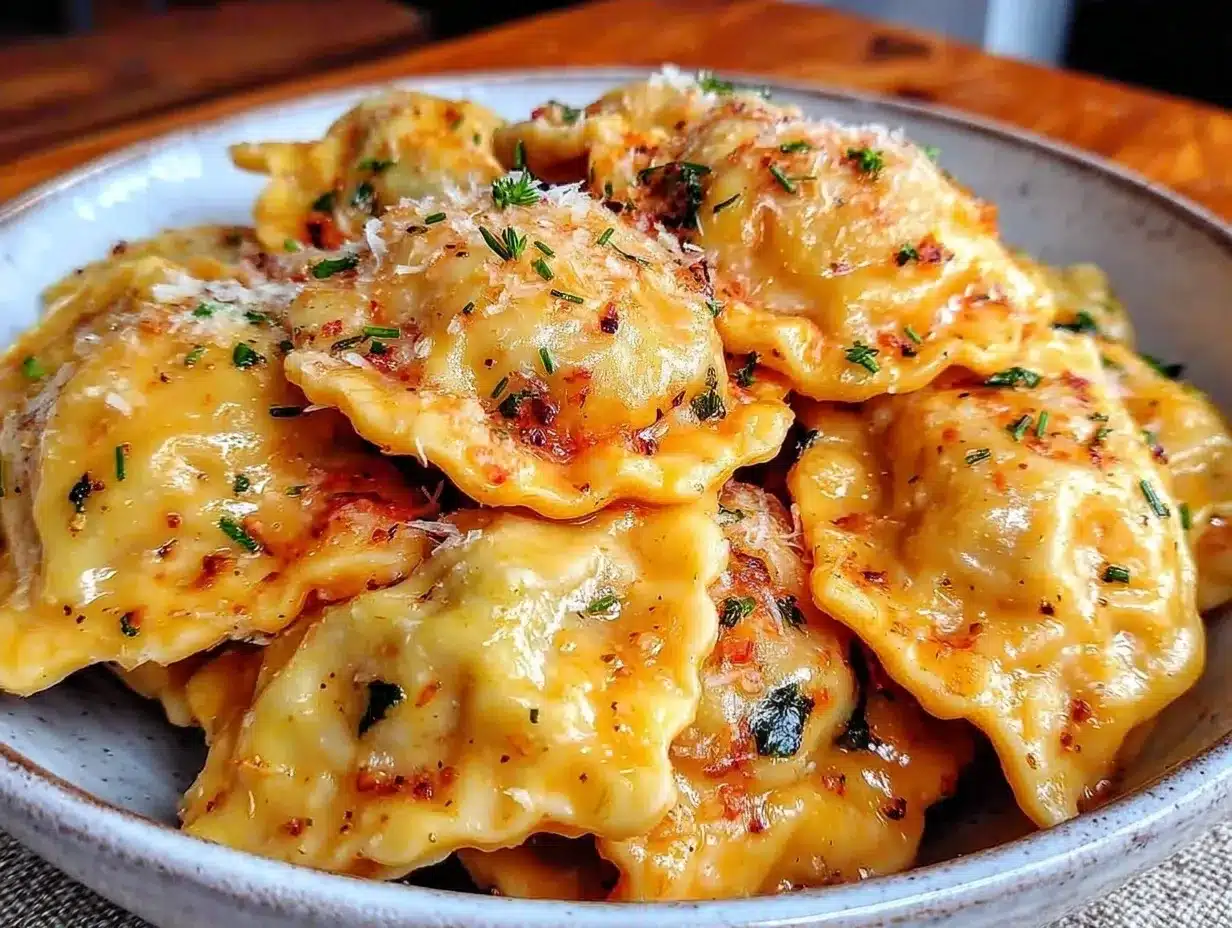
Alright, let’s make this! I’m walking you through exactly how I do it. Keep your timer ready — we’re aiming for 20 minutes.
Step 1: Prep the Filling (3 minutes) — Start by dicing your onion finely. If using fresh spinach, chop it roughly. If using frozen, thaw it and squeeze out all the water. In a bowl, mix the ground beef, spinach, onion, salt, pepper, nutmeg, and herbs. Mix it with your hands until just combined. Don’t overwork it, or the meat will get tough. Tip: If the mixture feels too wet, add a tablespoon of breadcrumbs or grated cheese. This helps bind it and prevents sogginess.
Step 2: Brown the Meat (5 minutes) — Heat your skillet over medium-high heat. Add the butter/oil. Once it’s foaming, add the meat mixture. Break it up with your spoon. You want it to brown well, not just steam. This Maillard reaction is where the flavor lives. Cook until no pink remains. Troubleshooting: If you see a lot of liquid releasing, don’t panic. Just keep cooking until it evaporates. You want dry, browned bits, not a watery stew.
Step 3: Add the Pasta & Liquid (2 minutes) — Tear the pasta sheets into large, irregular squares. You don’t need perfect rectangles. Toss them into the skillet with the browned meat. Pour in the beef broth. Stir gently to combine. The liquid should come about halfway up the pasta sheets. Why this matters: The pasta cooks directly in the savory meat broth, absorbing all the flavor.
Step 4: Simmer Covered (8-10 minutes) — Place the lid on the skillet. Reduce heat to medium-low. Let it simmer. You’ll hear a gentle bubbling. Check after 8 minutes. The pasta should be tender but still have a slight bite (al dente). If it’s still hard, add a splash of water and cover for another 2 minutes. Sensory cue: It should smell nutty and savory. The sauce will thicken as the starch from the pasta releases.
Step 5: Uncover & Reduce (2-3 minutes) — Remove the lid. Turn the heat up to medium-high. Let the remaining liquid reduce until it coats the pasta in a glossy, thick sauce. Stir gently so you don’t break the pasta too much. Taste and adjust salt if needed. Pro tip: If you like it a bit crispy, let it simmer uncovered for an extra minute to get some golden edges on the pasta.
Total Time: 20 minutes. Cleanup: One pan.
Tips & Tricks
Here’s everything I’ve learned from making this dozens of times.
Don’t Skip the Sear — It’s tempting to just dump everything in and boil it. But browning the meat first creates a depth of flavor that boiling alone can’t achieve. Take the extra two minutes. Your taste buds will thank you.
Squeeze the Spinach — I can’t stress this enough. Wet filling = soggy Maultaschen. If you’re using frozen spinach, wrap it in a clean kitchen towel and twist it tight over the sink. Get every drop out. If you’re using fresh, chop it fine so it integrates seamlessly.
Use Low Heat for Simmering — When you cover the pan, keep the heat low. High heat will burn the bottom of the pan before the pasta is cooked through. You want gentle, even cooking. If you hear aggressive sputtering, turn it down.
The “Crispy Bottom” Hack — For that restaurant-quality finish, after simmering, turn off the heat. Let the pan sit for a minute. Then, tilt the pan and spoon out most of the sauce. Leave just enough to keep it moist. Let the bottom crisp up for 30 seconds. It adds a nice textural contrast.
Variations & Substitutions
Once you’ve nailed the basic version, here’s how to mix it up. I’ve tried all of these.
Vegetarian Version — Swap the beef for lentils or mushrooms. Sautéed mushrooms add a great “meaty” texture. Use vegetable broth instead of beef broth. It’s equally delicious and feels lighter.
Spicy Kick — Add a pinch of chili flakes or a dash of hot sauce to the meat mixture. It cuts through the richness and adds a nice warmth.
Cheesy Twist — Sprinkle grated Emmental or Parmesan over the top before serving. Or mix a little cheese into the filling. It melts into pockets of gooey goodness.
Gluten-Free — Use gluten-free lasagna sheets. Most brands work well in this recipe. Just check the cooking time on the package, as GF pasta can sometimes cook faster or slower.
Serving & Storage
How to Serve: Plate it up warm. Garnish with fresh parsley. It pairs beautifully with a simple green salad or steamed green beans. I also love it with a dollop of mustard on the side for a tangy bite.
Fridge Storage: This keeps well in an airtight container in the fridge for up to 3 days. The flavors actually meld and get better the next day.
Reheating: Reheat in a skillet with a splash of water or broth. Cover and warm over medium heat. Avoid the microwave if you can; it can make the pasta mushy. If you must use the microwave, do it in short bursts and add a little liquid.
Freezing: Yes, you can freeze this! Let it cool completely, then transfer to a freezer-safe container. It will keep for up to 3 months. Thaw in the fridge overnight and reheat as above. It doesn’t freeze as perfectly as fresh, but it’s still very tasty.
FAQs
Q: Can I make this with dried lasagna sheets?
A: Yes, but you’ll need to boil them separately first until al dente, then add them to the skillet. This adds extra time and dishes, so for the 5pm dinner goal, fresh sheets are better. If you must use dried, break them into pieces and add them early, but they might get mushy.
Q: Why did my sauce turn out watery?
A: This usually happens if the spinach wasn’t squeezed dry enough or if the meat released too much water. Make sure you brown the meat well to evaporate excess moisture. If it’s still watery at the end, just simmer uncovered for a few more minutes to reduce.
Q: Can I use turkey instead of beef?
A: Absolutely. Turkey is leaner, so you might want to add a little extra fat (like olive oil) or a splash of cream to keep it moist. It’s a lighter option and works great.
Q: Is this recipe authentic?
A: Traditional Maultaschen involve making pasta from scratch and a complex filling. This is a modern, simplified version designed for speed and ease. It captures the spirit and flavor of the original without the hours of work. It’s “Swabian Comfort Food” for the modern home cook.
Final Thoughts
There’s something deeply satisfying about pulling a pan off the stove at 5:15 PM, smelling like a warm bakery, and knowing you just fed your family something homemade without spending hours in the kitchen. This Schwäbische Maultaschen recipe is proof that you don’t need to be a professional chef to make amazing food. You just need a few good ingredients, a hot pan, and the willingness to try a shortcut.
So next time you’re staring into the fridge, feeling that 5 PM panic, remember this recipe. Grab the pasta, chop the onion, and let the magic happen in one pan. It’s quick, it’s easy, and it’s delicious.
Drop a comment and tell me how it turned out! Did you stick to the classic beef, or did you try a variation? I’d love to hear your tweaks. And if you make this, tag me on Pinterest — I love seeing your kitchen wins!
Pin This Recipe!

Schwäbische Maultaschen: 5pm Dinner in 20 Min
- Total Time: 20 minutes
- Yield: 2 servings 1x
Description
Ein schnelles und einfaches Rezept für schwäbische Maultaschen, das in nur 20 Minuten zubereitet ist. Mit vorgefertigten Pasta-Blättern und einer Pfannenmethode entsteht ein herzhaftes Gericht ohne viel Aufwand.
Ingredients
- 400g Rinderhackfleisch
- 150g Spinat (frisch oder gefroren)
- 1 mittelgroße Zwiebel (fein gewürfelt)
- 1 Packung frische Lasagneblätter oder Eiernudeln (ca. 250g)
- 500ml Rinderbrühe
- Salz und schwarzer Pfeffer
- Eine Prise Muskatnuss
- Frische Petersilie (optional)
- Getrockneter Thymian (optional)
- Eine Prise Paprikapulver
- 2 EL Butter oder Öl (oder eine Mischung)
Instructions
- Zwiebel fein würfeln. Bei frischem Spinat grob hacken, bei gefrorenem auftauen und das Wasser vollständig ausdrücken. Hackfleisch, Spinat, Zwiebeln, Salz, Pfeffer, Muskat und Kräuter in einer Schüssel mit den Händen vermengen, aber nicht zu stark kneten.
- Eine große Pfanne bei mittlerer bis hoher Hitze erhitzen. Butter/Öl hinzufügen und schäumen lassen. Die Fleischmischung in die Pfanne geben und mit einem Löffel aufbrechen. Gut anbraten, bis keine rosa Stellen mehr sichtbar sind und die Flüssigkeit verdampft ist.
- Die Pasta-Blätter in große, unregelmäßige Quadrate zerkleinern. Diese zusammen mit dem angebratenen Fleisch in die Pfanne geben. Rinderbrühe angießen. Die Flüssigkeit sollte etwa bis zur Hälfte der Pasta reichen. Vorsichtig umrühren.
- Die Pfanne mit einem Deckel abdecken. Die Hitze auf mittel-niedrig reduzieren und 8-10 Minuten köcheln lassen. Nach 8 Minuten prüfen, ob die Pasta al dente ist. Falls nötig, etwas Wasser hinzufügen und weitere 2 Minuten köcheln.
- Den Deckel entfernen und die Hitze auf mittel-hoch erhöhen. Die restliche Flüssigkeit einkochen lassen, bis eine glänzende, dicke Sauce entsteht, die die Pasta überzieht. Mit Salz abschmecken. Optional: Für knusprige Ränder weitere Minute offen köcheln lassen.
Notes
Wenn die Füllung zu nass ist, können Sie einen Esslöffel Semmelbrösel oder geriebenen Käse hinzufügen, um sie zu binden. Drücken Sie gefrorenen Spinat sehr gut aus, um matschige Maultaschen zu vermeiden. Für knusprige Ränder die Pfanne nach dem Kochen kippen und die Sauce abnehmen, sodass der Boden kurz anbraten kann.
- Prep Time: 3 minutes
- Cook Time: 17 minutes
- Category: Main Course
- Cuisine: German
Nutrition
- Serving Size: Warm servieren, garn
- Calories: 650
- Sugar: 4
- Sodium: 800
- Fat: 35
- Saturated Fat: 12
- Carbohydrates: 45
- Fiber: 3
- Protein: 35
Keywords: Schwäbische Maultaschen, schnelles Abendessen, Hackfleischrezept, Pasta, One-Pot, deutsche Küche, Maultaschen Rezept, 20 Minuten Essen